Ingredients
A plant you can recognize by touch
If you have ever walked along a gravel roadside or an open, sunny field in late summer, you may have brushed past mullein without realizing it. The plant sends up a tall, sturdy stalk covered in small yellow flowers, and at its base sits a rosette of broad, grey-green leaves. Those leaves are the star of the story. They are covered in fine hairs that feel like felt or flannel, which is why many people describe the plant as velvety the first time they touch it.
Mullein is a biennial, which means it spends its first year as a low cluster of leaves and its second year growing that dramatic flowering stalk. Gardeners often admire it for its architectural look, while foragers and herbal enthusiasts have long paid attention to the leaves themselves. Understanding the plant is the first step toward understanding why it shows up on an ingredient label today.
- Soft, woolly leaves in a ground-hugging rosette during the first year
- A tall flowering stalk in the second year, often taller than a person
- Small yellow blossoms that open gradually along the stalk
- A preference for sunny, well-drained, open ground
Why people have valued it for generations
Herbal traditions in many regions have kept mullein in their repertoire for a very long time. The leaves were commonly dried and steeped as a warm infusion, and the plant earned a reputation as a gentle, familiar herb that households kept on a shelf. Stories about it appear in old folk herbals, where it is often tied to everyday comfort for the chest and throat area and to the idea of a calm, easy-feeling breath.
It is worth keeping those traditions in perspective. A long history of use tells you that people found the herb worth returning to, not that any single result is promised. That is why careful brands talk about what mullein is traditionally known for and then use measured language such as supports and may help. According to the brand, that is the spirit in which Breathiterol includes it.
From dried leaf to concentrated extract
A dried leaf and an extract are related but not identical. To make an extract, the herb is typically soaked or processed in a liquid so that its soluble plant compounds move out of the leaf and into the liquid. The liquid is then reduced and refined, leaving a more concentrated preparation than you would get by simply grinding the leaf into powder.
This is where the ratio on a label becomes useful. When you see mullein leaf extract listed as 10:1, that generally describes a concentration, meaning a larger amount of raw leaf was used to create a smaller amount of finished extract. It does not tell you how much extract sits in each spray, and no one should guess at that figure. What it does tell you is that the ingredient was prepared as a concentrate rather than as a plain dried leaf.
How mullein fits into Breathiterol
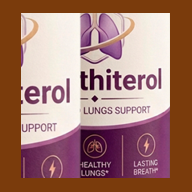
Breathiterol is a natural oral spray, and it lists three named ingredients: mullein leaf extract at 10:1, ginger root extract and organic lemon extract. Mullein is the herb with the deepest traditional roots of the trio, while ginger brings a warming character and lemon brings a bright, clean hint of citrus. Together they are positioned around everyday breathing comfort and a refreshed feeling in the mouth.
The spray format matters here too. According to the brand, you shake the bottle and apply 4 sprays, which is 0.60 mL, once a day directly into the mouth or onto the tongue, with morning use recommended. The 60 mL bottle has a pump, so each application is simple and easy to repeat the same way every day without measuring spoons or extra steps.
What mullein tastes and feels like
Plain mullein tea is usually described as mild, slightly grassy and a little sweet, with a soft texture that some people connect with the fuzzy leaf. It is not a sharp or aggressive herb, and that gentle personality is part of why it has stayed popular in blends. In a formula with ginger and lemon, those quieter flavors are balanced by something warmer and something brighter.
If you enjoy exploring herbs through your senses, a good exercise is to compare the aroma of a dried leaf, a cup of its tea and a finished product. You will often notice that each step feels a little different. That curiosity is a smart habit for any ingredient you bring into your daily routine, because knowing what you like helps you stay consistent.
Questions worth asking about any herb
Whenever a plant ingredient catches your eye, a few simple questions can make you a more confident shopper. Where was it made, and does the maker follow good manufacturing practices? Is the plant part named, such as leaf rather than a vague term? Is the extract ratio shown? Breathiterol is made in the USA in a GMP setting, and the label names the part and the ratio for mullein, which is the kind of clarity worth looking for.
It also helps to remember that daily habits carry weight alongside any supplement. Water, regular movement, good sleep and calm moments all shape how comfortable your days feel. A herb can be a pleasant part of that picture, and if you try it, the brand suggests giving it at least 30 days of consistent use before judging it, with a 60-day money-back guarantee available.
Quick questions
What part of the mullein plant is used in Breathiterol?
The label lists mullein leaf extract at a 10:1 ratio. That means the leaf of the plant is the part used, prepared as a concentrated extract rather than as a plain dried leaf or powder.
Does 10:1 mean a certain amount is in each spray?
No. The ratio describes how concentrated the extract is compared with the raw leaf. It does not state the quantity per serving, so it should never be read as a dose or an exact amount.
Can I try mullein by itself as a tea?
Many people enjoy dried mullein leaf as a mild infusion, usually strained well because of the fine hairs. It is a different format from a spray, so think of tea as a tasting experiment rather than a replacement.
Your Breathiterol routine starts with one order
Choose 2, 3 or 6 bottles, from $49 each. The 3 and 6 bottle packs ship free in the US.