Ingredients
What ginger root actually is
The knobby, beige piece of ginger you pick up at the grocery store is not technically a root. Botanically it is a rhizome, an underground stem that stores energy for the plant and sends up long green shoots above the soil. Cooks and herbal writers have called it ginger root for so long that the name stuck, and the label on a supplement will almost always use the same wording.
Ginger thrives in warm, humid climates and has been cultivated across Asia for thousands of years. It traveled along trade routes to the Mediterranean and eventually to kitchens everywhere. Today you will find it fresh, dried, pickled, candied, powdered and, in the case of supplements, concentrated into an extract. Each form tastes and behaves a little differently, which is part of what makes it such a curious ingredient.
- Fresh ginger: juicy, sharp and bright, ideal for stir-fries and teas
- Dried ground ginger: deeper, spicier and often used in baking
- Pickled ginger: tangy and mild, served alongside rice dishes
- Extracts: concentrated preparations made from the rhizome
The source of that warming bite
Anyone who has chewed a slice of raw ginger knows the sensation. It starts as something fresh and citrusy, then builds into a pleasant heat that lingers on the tongue and at the back of the mouth. That warmth comes largely from natural plant compounds, with the best known group called gingerols. When ginger is dried or cooked, some of those compounds shift into related ones, which is why dried ginger tastes hotter and earthier than fresh.
That heat is a sensory feature, and it is one reason people have reached for ginger in drinks and meals when they want something comforting. It pairs naturally with lemon, honey and warm water, a combination that has been a household favorite in many cultures. When you see ginger next to lemon on an ingredient list, there is a long kitchen tradition behind that pairing.
Aroma matters as much as heat here. Fresh ginger smells zesty and slightly floral, while dried ginger smells deeper and more peppery. If you ever want to understand an ingredient better, smell it before you taste it, then compare how the flavor develops over a few seconds. Ginger rewards that kind of slow attention.
Fresh ginger versus ginger root extract
Grating fresh ginger into a mug is lovely, but it gives you a variable result. The thickness of the slice, the age of the root and how long you steep all change the flavor. An extract is made to be more consistent. The rhizome is processed so that its soluble components are drawn out, then refined and concentrated into a standardized ingredient that a maker can use the same way batch after batch.
This is why a supplement label that says ginger root extract is describing something different from a spoonful of grated ginger. It does not mean one is better than the other. It means they serve different purposes. Fresh ginger is for cooking and sipping, while an extract is a convenient way to include the ingredient in a compact daily format without peeling, grating or brewing.
Where ginger fits in Breathiterol
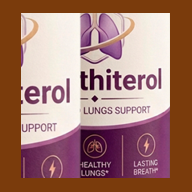
Breathiterol is a natural oral spray with three named ingredients: mullein leaf extract at 10:1, ginger root extract and organic lemon extract. Ginger plays the role of the warming member of the group. It brings a familiar, kitchen-like character to the formula, and according to the brand the combination is meant to support everyday breathing comfort and a refreshed feeling.
Notice what the label does and does not say. It names the plant part, root, and it names the form, extract. It does not claim an exact amount per spray, so this article will not either. When you are evaluating any product, that kind of plain labeling is a good sign. Your job is to read what is stated, enjoy the taste, and keep your expectations realistic and relaxed.
Everyday ways to enjoy ginger beyond a supplement
A supplement is only one small part of how ginger can show up in your day. A few thin slices steeped in hot water make a simple, soothing tea that takes less than ten minutes. Grated ginger melts into soups, dressings and marinades, and a small piece can brighten a pot of rice or a tray of roasted vegetables. Leftover pieces freeze well, so you always have some ready.
If you like to build small rituals, try pairing a ginger and lemon drink with a calm moment, such as the first quiet minutes of your morning. It costs almost nothing, it smells wonderful, and it encourages you to slow down for a few breaths. Those small habits tend to add more to a comfortable day than people expect.
Using the spray the way the brand describes
If you decide to try Breathiterol, the directions are refreshingly short. According to the brand, you shake the bottle, then apply 4 sprays, which equals 0.60 mL, once a day directly into the mouth or onto the tongue. Morning use is recommended, and you should not exceed the suggested serving. Taking it at the same time each day makes it easy to remember.
The brand also asks that you give it at least 30 days of use before deciding how you feel about it, and it offers a 60-day money-back guarantee. The packs on the order page come in 2, 3 and 6 bottles, which cover 60, 90 and 180 days. Choosing a pack comes down to how long you would like to stay consistent.
Quick questions
Is ginger root extract the same as fresh ginger?
They come from the same plant part, but the extract is a concentrated, refined preparation made for consistency. Fresh ginger varies by freshness and size, so the two are used for different purposes in the kitchen and in supplements.
Will the spray taste like ginger?
Ginger is one of three flavors in the formula, alongside lemon and mullein. Taste is personal, so many people notice a mix of warmth and citrus rather than ginger alone.
Where does Breathiterol say ginger comes from?
The label lists ginger root extract as a named ingredient. This guide only repeats what is stated on the label, so for sourcing details beyond that, it is best to check the brand directly.
Your Breathiterol routine starts with one order
Choose 2, 3 or 6 bottles, from $49 each. The 3 and 6 bottle packs ship free in the US.